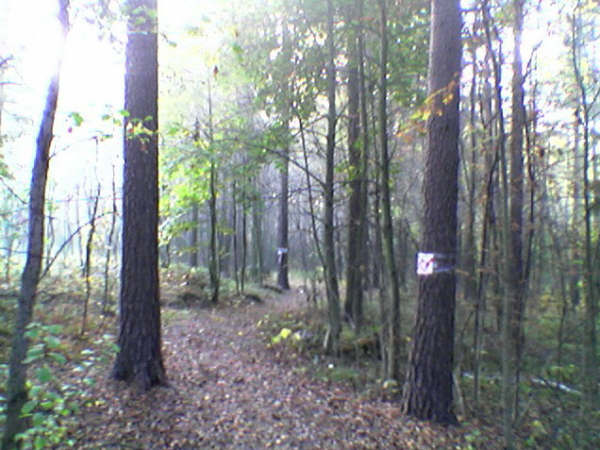
Perinteinen Metsän joulutapahtuma järjestetään tänä
vuonna ti 18.12. 2012 kello 18-19 Helsingin Keskuspuistossa Lääkärinkadun
varrella Mannerheimintie 71:n takana.
Järjestäjinä Helsingin Keskuspuiston puolesta ry., Meilahden seurakunta ja vapaa kansalaisliike Ei enää palaakaan Keskuspuistosta.
Tilaisuuden avaa järjestöneuvos Mauri Helovirta. Meilahden kirkkoherra Hannu Ronimus juontaa ja pitää puheen.Toimittaja Jussi Vapaasalo kertoo uutta tietoa puistoon suunnitellun kerrostalohankkeen nykytilanteesta. Rakennusviraston metsänhoitaja Tiina Saukkonen kertoo Keskuspuiston metsän kehittämisestä.
Myös joulupukki piipahtaa. Vapaa pääsy.
Lisätietoja Jussi Vapaasalo,040 966 5101 jussi.vapaasalo@kolumbus.fi
TAUSTATIETOJA
Paras paikka saada tietoja ns. Lääkärinkadun puiston rakennushankkeesta on alueen Grand Young Manin Michael Perukankaan ylläpitämä webbisivusto http://keskuspuisto.blogspot.com. seuran Michaeliin on hyvin vaikea saada puhelinyhteyttä päivisin, mutta hänen sähköpostiosoitteensa on furttis@hotmail.com
Erityisen asiaan liittyviä paljon tietoja blogin osassa Lokakuu 2008 (http://keskuspuisto.blogspot.com), mm. Helsinki-Seuran ja Helsingin kaupunkisuunnitteluseuran (nyk. Metropoliseuran) kannanotot puiston puolesta ja (minun tulkintani mukaan) viittauksineen mahdolliseen suunnittelutaktiseen viivyttelyyn, jota ehkä on harrastettu ja harrastetaan muissakin hankkeissa : Siis on blogin osassa lokakuulta: 2008 .
Kaupunkisuunnitteluvirastolta on hankkeen keskeneräisyyden vuoksi myös hyvin vaikea saada selkeää kuvaa Lääkärinkadun alueen rakennushankkeen nykytilanteesta. Vuorovaikutussuunnittelija Juha-Pekka Turunen (09 310 37 403) sanoi marraskuussa, että ensin on ratkaistava joitakin maanalaisia tiloja koskevia asioita ja vasta sen jälkeen voidaan päättää maanpäällisistä rakennuskysymyksistä. Myöhemmin hän kuitenkin arveli, että asukkaille voidaan ehkä maaliskuussa esittää jokin suunnitelmaluonnos.
Näin on kuitenkin ollut koko ajan vuoden 2005 jälkeen: ratkaisu on aina lykkääntynyt. Rakentamisen painopisteen on kuitenkin jo jonkin aikaan kerrottu siirtyneen kohti Lääkärinkadun itäpäätä.
Metsän joulutapahtumassa on joulunviettoon valmistautumisen lisäksi siis kyse kaupunkisuunnitteluviraston aikomuksesta rakentaa korkeatasoisia kovan rahan kerrostaloja, ns. kaupunkivilloja - Lääkärinkadun ja Mannerheimintie 71 - 79:n rajaamalle alueelle. Suunnitelmaa on kansalaisten kiivaan vastustuksen vuoksi supistettu, mutta se on edelleen voimassa ja sisältynee vuoden 2012 kaavoituskatsaukseen.
Tänä vuonna Metsän joulutapahtuma on erityisen merkittävä, sillä on kulunut 100 vuotta siitä kun Helsingin Keskuspuiston luoja, kaupunginarkkitehti Bertel Jung lausui seuraavat sanat vuonna 1911 valmistuneen osayleiskaavansa merkityksestä ja noudattamisesta: "Lopuksi haluaisin tuoda esille sen seikan tärkeyden, että niitä alueita, jotka luovutetaan virkistyskäyttöön, ei tulevaisuudessa millään tavalla käytettäisi sellaisiin tarkoituksiin, jotka ovat niille vieraita, kuten esim. huvila- tai sairaala-alueiksi".
Poliitikot ja virkamiehet ovat puheissa, kirjoituksissa ja lausunnoissa jatkuvasti tähdentäneet Keskuspuiston merkitystä ja "pyhyyttä", mutta silti puistoa on jatkuvasti nakerrettu. Taistelu puiston suojelemiseksi onkin jatkunut 33 vuotta.
Lääkärinkadun puiston suojelun alullepanija ja Grand Old Man agronomi Vilho Ikkala huomasi vuonna 1968, että metsään on ilmestynyt rakentamiseen viittaavia mittakeppejä. Hän kiiruhti kaupunkisuunnitteluvirastoon ottamaan selvää, mistä oli kyse. Ikkala sai kahdelta masentuneen oloiselta naisarkkitehdiltä kuulla, että että asia oli otettu pois alueen omalta aluearkkitehdiltä ja että alueelta oli varattu tontit Sairaanhoito-opistolle ja Syöpäsäätiön sairaalalle.
Lehdistö puuttui peliin
Ikkala ja muut hankkeen vastustajat ottivat yhteyttä Helsingin Sanomien asuntopoliittiseen toimittajaan Kyösti Reunaseen, ja jo seuraavana päivänä HS julkaisi näyttävästi kuvin ja kaavapiirroksen pääuutissivullaan uutisen ”Keskuspuiston lohkominen alkaa kiertotietä” kertoen: ”Hankkeet aloittavat samalla taas Keskuspuiston laajamittaisen kaventamisen 100-200 metrin levyiseksi käytäväksi”Helsingin ”keuhkoiksi” sanottu Keskuspuisto puristuu yleiskaavatason suunnitelmien mukaan mitättömäksi puistokäytäväksi.” Myös muut lehdet tuomitsivat suunnitelman..
Myöhempien tapahtumien valossa näyttää kuitenkin siltä, ettei tonttien varaaminen sairaanhoito-opistolle ja sairaalalle ollukaan varausten todellinen tarkoitus, sillä kummastakin hankkeesta luovuttiin tarpeettomina. Varaukset pidettiin kuitenkin vuosikausia voimassa sillä seurauksella, ettei alue päässyt mukaan Keskuspuiston osayleiskaavaan ja sen antamaan suojaan rakenamislta. (Voi kysyä, käytetäänköhän tällaista menettelyä tietoisesti ja taktisesti muissakin kysymyksissä.)
Kaupunginvaltuutetuillekin kerrottiin, että alueelle voi rakentaa, koska ei se kuulu suojeltavaan Keskuspuistoon. Lääkärinkadun aluetta on kuitenkin tähän asti aina pidetty -- ja pidetään yleisesti edelleen -- Keskuspuiston osana.
Lääkärinkadun alueen suojelemiseksi alueelle hyväksyttiin tosin puistoasemakaava, mikä ei kuitenkaan näytä hillinneen rakentamisaikeita. Erään luonnonsuojeluasiantuntijan mukaan kyse onkin poliittisesta arvovallasta eikä niinkään järkevästä rakennuspolitiikasta.
Suurimpia rakentamisen esteitä ovat asukkaiden valveutuneisuuden ohella olleet yllättäen alueella kasvavaa erittäin harvinainen lehtonata-kasvi sekä arvokkaat puut.
Lääkärinkadun alue sijaitsee tärkeällä paikalla: se on Keskuspuiston portti, josta pääsee ratikka- ja bussipysäkiltä helpoimmin puiston laajaan metsäluontoon ja suosittujen ulkoiluväylien varrelle suuresta osasta kantakaupunkia kuten esimerkiksi Katajanokalta. Eräs puolen kilometrin päässä Metsätapahtuma-paikalta asuva nainen kertoi jo pari vuotta sitten aloittavansa nykyisin joulunvieton juuri tästä Metsän joulutapahtumasta.
Vanhusten liikuntamahdollisuuksista huolestunut Meilahden kirkkovaltuusto asettui muutama vuosi sitten vastustamaan puistoon rakentamista. Koululaisia ulkoilee puistossa jatkuvasti.
Järjestäjinä Helsingin Keskuspuiston puolesta ry., Meilahden seurakunta ja vapaa kansalaisliike Ei enää palaakaan Keskuspuistosta.
Tilaisuuden avaa järjestöneuvos Mauri Helovirta. Meilahden kirkkoherra Hannu Ronimus juontaa ja pitää puheen.Toimittaja Jussi Vapaasalo kertoo uutta tietoa puistoon suunnitellun kerrostalohankkeen nykytilanteesta. Rakennusviraston metsänhoitaja Tiina Saukkonen kertoo Keskuspuiston metsän kehittämisestä.
Myös joulupukki piipahtaa. Vapaa pääsy.
Lisätietoja Jussi Vapaasalo,040 966 5101 jussi.vapaasalo@kolumbus.fi
TAUSTATIETOJA
Paras paikka saada tietoja ns. Lääkärinkadun puiston rakennushankkeesta on alueen Grand Young Manin Michael Perukankaan ylläpitämä webbisivusto http://keskuspuisto.blogspot.com. seuran Michaeliin on hyvin vaikea saada puhelinyhteyttä päivisin, mutta hänen sähköpostiosoitteensa on furttis@hotmail.com
Erityisen asiaan liittyviä paljon tietoja blogin osassa Lokakuu 2008 (http://keskuspuisto.blogspot.com), mm. Helsinki-Seuran ja Helsingin kaupunkisuunnitteluseuran (nyk. Metropoliseuran) kannanotot puiston puolesta ja (minun tulkintani mukaan) viittauksineen mahdolliseen suunnittelutaktiseen viivyttelyyn, jota ehkä on harrastettu ja harrastetaan muissakin hankkeissa : Siis on blogin osassa lokakuulta: 2008 .
Kaupunkisuunnitteluvirastolta on hankkeen keskeneräisyyden vuoksi myös hyvin vaikea saada selkeää kuvaa Lääkärinkadun alueen rakennushankkeen nykytilanteesta. Vuorovaikutussuunnittelija Juha-Pekka Turunen (09 310 37 403) sanoi marraskuussa, että ensin on ratkaistava joitakin maanalaisia tiloja koskevia asioita ja vasta sen jälkeen voidaan päättää maanpäällisistä rakennuskysymyksistä. Myöhemmin hän kuitenkin arveli, että asukkaille voidaan ehkä maaliskuussa esittää jokin suunnitelmaluonnos.
Näin on kuitenkin ollut koko ajan vuoden 2005 jälkeen: ratkaisu on aina lykkääntynyt. Rakentamisen painopisteen on kuitenkin jo jonkin aikaan kerrottu siirtyneen kohti Lääkärinkadun itäpäätä.
Metsän joulutapahtumassa on joulunviettoon valmistautumisen lisäksi siis kyse kaupunkisuunnitteluviraston aikomuksesta rakentaa korkeatasoisia kovan rahan kerrostaloja, ns. kaupunkivilloja - Lääkärinkadun ja Mannerheimintie 71 - 79:n rajaamalle alueelle. Suunnitelmaa on kansalaisten kiivaan vastustuksen vuoksi supistettu, mutta se on edelleen voimassa ja sisältynee vuoden 2012 kaavoituskatsaukseen.
Tänä vuonna Metsän joulutapahtuma on erityisen merkittävä, sillä on kulunut 100 vuotta siitä kun Helsingin Keskuspuiston luoja, kaupunginarkkitehti Bertel Jung lausui seuraavat sanat vuonna 1911 valmistuneen osayleiskaavansa merkityksestä ja noudattamisesta: "Lopuksi haluaisin tuoda esille sen seikan tärkeyden, että niitä alueita, jotka luovutetaan virkistyskäyttöön, ei tulevaisuudessa millään tavalla käytettäisi sellaisiin tarkoituksiin, jotka ovat niille vieraita, kuten esim. huvila- tai sairaala-alueiksi".
Poliitikot ja virkamiehet ovat puheissa, kirjoituksissa ja lausunnoissa jatkuvasti tähdentäneet Keskuspuiston merkitystä ja "pyhyyttä", mutta silti puistoa on jatkuvasti nakerrettu. Taistelu puiston suojelemiseksi onkin jatkunut 33 vuotta.
Lääkärinkadun puiston suojelun alullepanija ja Grand Old Man agronomi Vilho Ikkala huomasi vuonna 1968, että metsään on ilmestynyt rakentamiseen viittaavia mittakeppejä. Hän kiiruhti kaupunkisuunnitteluvirastoon ottamaan selvää, mistä oli kyse. Ikkala sai kahdelta masentuneen oloiselta naisarkkitehdiltä kuulla, että että asia oli otettu pois alueen omalta aluearkkitehdiltä ja että alueelta oli varattu tontit Sairaanhoito-opistolle ja Syöpäsäätiön sairaalalle.
Lehdistö puuttui peliin
Ikkala ja muut hankkeen vastustajat ottivat yhteyttä Helsingin Sanomien asuntopoliittiseen toimittajaan Kyösti Reunaseen, ja jo seuraavana päivänä HS julkaisi näyttävästi kuvin ja kaavapiirroksen pääuutissivullaan uutisen ”Keskuspuiston lohkominen alkaa kiertotietä” kertoen: ”Hankkeet aloittavat samalla taas Keskuspuiston laajamittaisen kaventamisen 100-200 metrin levyiseksi käytäväksi”Helsingin ”keuhkoiksi” sanottu Keskuspuisto puristuu yleiskaavatason suunnitelmien mukaan mitättömäksi puistokäytäväksi.” Myös muut lehdet tuomitsivat suunnitelman..
Myöhempien tapahtumien valossa näyttää kuitenkin siltä, ettei tonttien varaaminen sairaanhoito-opistolle ja sairaalalle ollukaan varausten todellinen tarkoitus, sillä kummastakin hankkeesta luovuttiin tarpeettomina. Varaukset pidettiin kuitenkin vuosikausia voimassa sillä seurauksella, ettei alue päässyt mukaan Keskuspuiston osayleiskaavaan ja sen antamaan suojaan rakenamislta. (Voi kysyä, käytetäänköhän tällaista menettelyä tietoisesti ja taktisesti muissakin kysymyksissä.)
Kaupunginvaltuutetuillekin kerrottiin, että alueelle voi rakentaa, koska ei se kuulu suojeltavaan Keskuspuistoon. Lääkärinkadun aluetta on kuitenkin tähän asti aina pidetty -- ja pidetään yleisesti edelleen -- Keskuspuiston osana.
Lääkärinkadun alueen suojelemiseksi alueelle hyväksyttiin tosin puistoasemakaava, mikä ei kuitenkaan näytä hillinneen rakentamisaikeita. Erään luonnonsuojeluasiantuntijan mukaan kyse onkin poliittisesta arvovallasta eikä niinkään järkevästä rakennuspolitiikasta.
Suurimpia rakentamisen esteitä ovat asukkaiden valveutuneisuuden ohella olleet yllättäen alueella kasvavaa erittäin harvinainen lehtonata-kasvi sekä arvokkaat puut.
Lääkärinkadun alue sijaitsee tärkeällä paikalla: se on Keskuspuiston portti, josta pääsee ratikka- ja bussipysäkiltä helpoimmin puiston laajaan metsäluontoon ja suosittujen ulkoiluväylien varrelle suuresta osasta kantakaupunkia kuten esimerkiksi Katajanokalta. Eräs puolen kilometrin päässä Metsätapahtuma-paikalta asuva nainen kertoi jo pari vuotta sitten aloittavansa nykyisin joulunvieton juuri tästä Metsän joulutapahtumasta.
Vanhusten liikuntamahdollisuuksista huolestunut Meilahden kirkkovaltuusto asettui muutama vuosi sitten vastustamaan puistoon rakentamista. Koululaisia ulkoilee puistossa jatkuvasti.
Bertel Jungin esikuvana Helsingin Keskuspuistolle oli New
Yorkin Keskuspuisto, Central Park, jossa tällainen rakennushanke ei varmasti
tulisi kuuloonkan. Erikoista on että idean toivat tänne -- samoin
Yhdysvalloista -- ylimetsänhoitaja Eero Hyvärinen ja rouva Anna-Leena Hyvärinen
osallistuttuaan joulurauhan julistamiseen jättimännikössä mantereen toisella
laidalla Kaliforniassa.
Lääkärinkadun puiston suojelemiseksi perustettu vapaa kansalaisjärjestö Ei enää palaakaan Keskuspuistosta järjesti ensimmäinen suojelutilaisuuteensa syksyllä 2005 kohta sen jälkeen kun kaupunkisuunnitteluvirasto oli alustavasti esitellyt rakennushankkeen. Asukkaat tyrmäsivät rakentamisen, mutta siitä huolimatta kaupunkisuunnittelulautakunta antoi kokoomuksen ja sosiaalidemokraattien enemmistöäänin arkkitehdeille luvan jatkaa suunnitelman eteenpäinviemistä.
Ensimmäinen Metsän joulutapahtuma, nimeltä Metsän joulurauhan julistaminen järjestettiin myös vuonna 2005, ja sen jälkeen niitä on järjestetty vuosittain. Syksyisin on järjestetty myös puiston suojelupäiviä tilanteen mukaan.
Lisää tietoa tilanteesta ja Keskuspuistosta on siis Michael Perukankaan perustamalla ja päivittämällä sivustolla: www.keskuspuisto.blogspot.com
Jussi Vapaasalo puh. 040 966 5101 jussi.vapaasalo@kolumbus.fi
Lääkärinkadun puiston suojelemiseksi perustettu vapaa kansalaisjärjestö Ei enää palaakaan Keskuspuistosta järjesti ensimmäinen suojelutilaisuuteensa syksyllä 2005 kohta sen jälkeen kun kaupunkisuunnitteluvirasto oli alustavasti esitellyt rakennushankkeen. Asukkaat tyrmäsivät rakentamisen, mutta siitä huolimatta kaupunkisuunnittelulautakunta antoi kokoomuksen ja sosiaalidemokraattien enemmistöäänin arkkitehdeille luvan jatkaa suunnitelman eteenpäinviemistä.
Ensimmäinen Metsän joulutapahtuma, nimeltä Metsän joulurauhan julistaminen järjestettiin myös vuonna 2005, ja sen jälkeen niitä on järjestetty vuosittain. Syksyisin on järjestetty myös puiston suojelupäiviä tilanteen mukaan.
Lisää tietoa tilanteesta ja Keskuspuistosta on siis Michael Perukankaan perustamalla ja päivittämällä sivustolla: www.keskuspuisto.blogspot.com
Jussi Vapaasalo puh. 040 966 5101 jussi.vapaasalo@kolumbus.fi